Oregon City Schools are on a 2 hour delay today, Friday, October 23, 2026.
Oct 22, 2026 · Oregon City School District
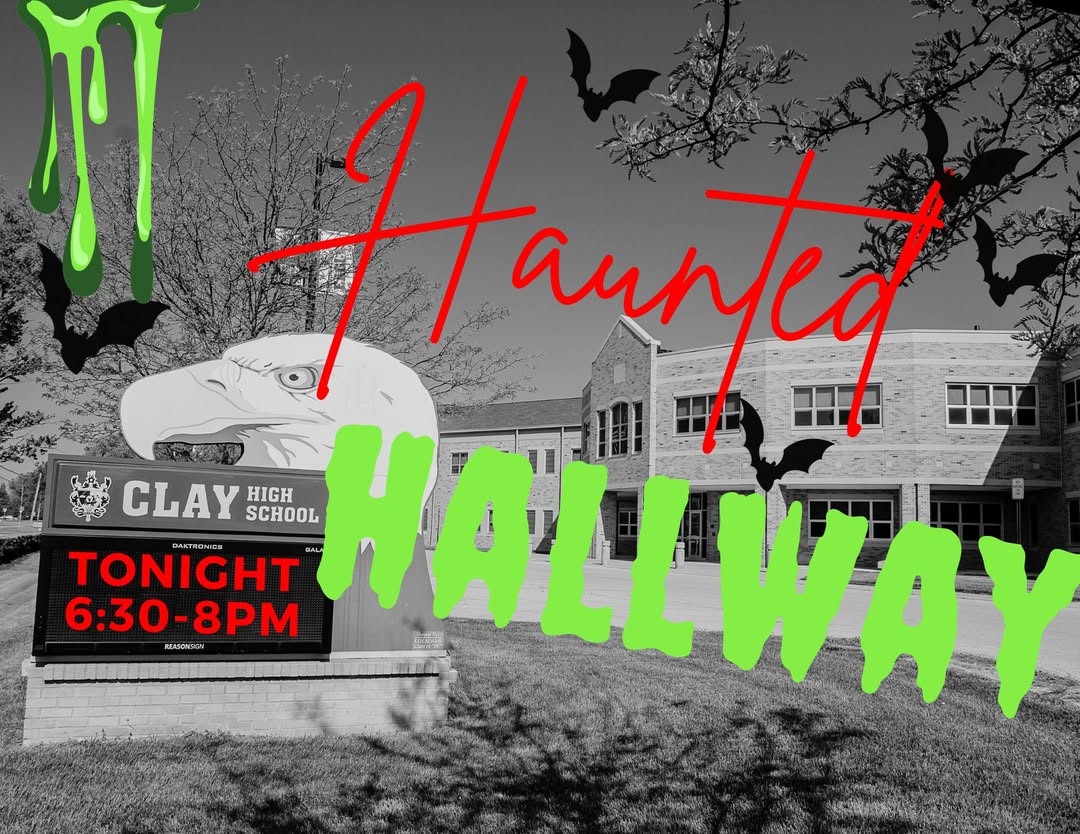
TONIGHT at Clay High School! 🎃 🕸️ HAUNTED HALLWAYS 🕸️ Looking for some spooky fun? Come out TONIGHT, Thursday, Octobe...
TONIGHT at Clay High School! 🎃 🕸️ HAUNTED HALLWAYS 🕸️ Looking for some spooky fun? Come out TONIGHT, Thursday, October 22nd, for a chilling adventure through Clay High School’s Haunted Hallways! 🦇💀 📅 Tonight, Thursday, October 22nd ⏰ 6:30–8:00 PM 🚪 Enter through Door 37 by the cafeteria 🎟️ Admission: $5 per person OR 5 canned goods Proceeds benefit the Oregon Christmas Basket Program to help local families! Teaching Professions will also be selling candy and beverages to benefit their program, so be sure to stop by and grab a treat!🍭 🍫 Bring your friends and get ready for some spooky fun! 👻🕷️
Oct 21, 2026 · Oregon City School District
Oregon City Schools Posted
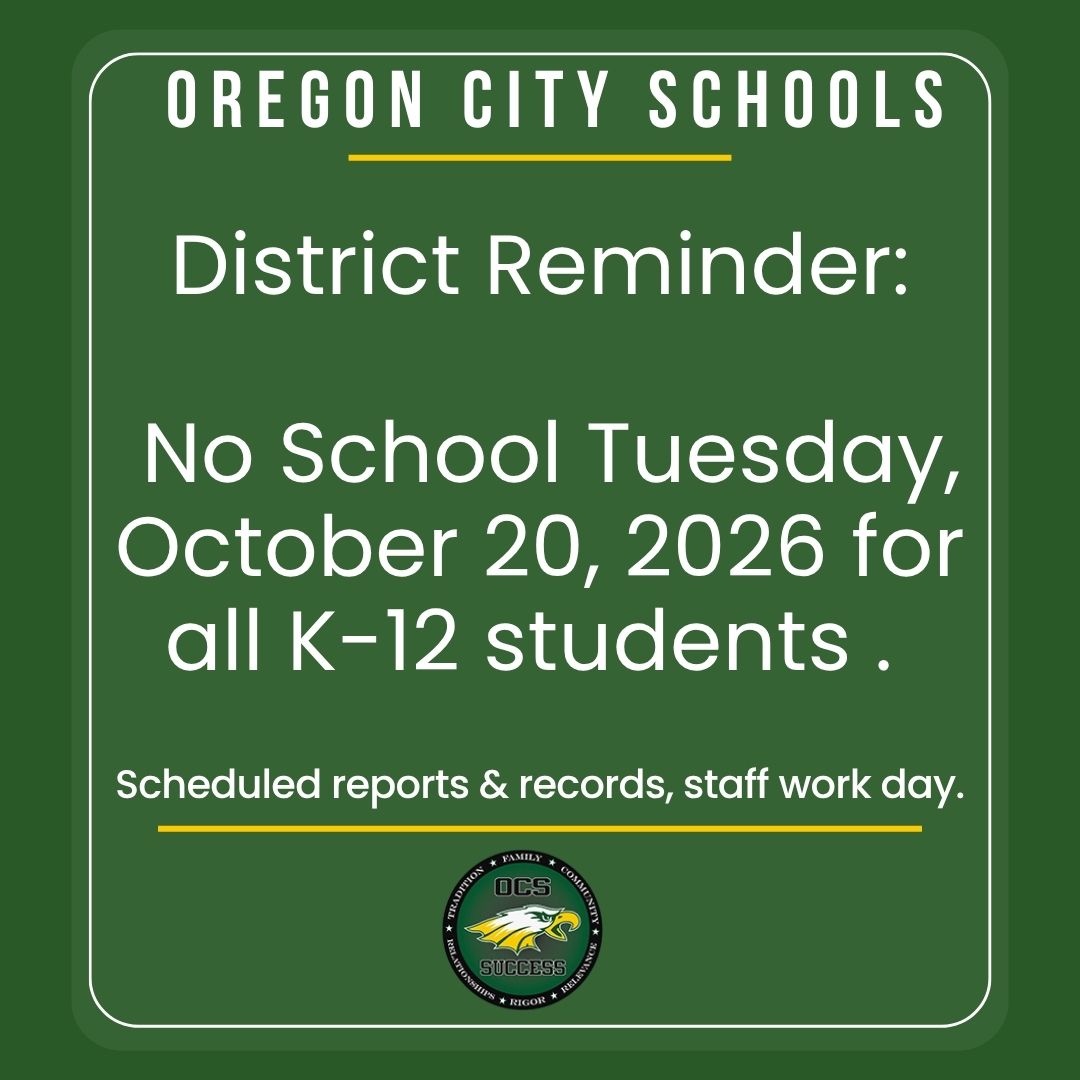
Updated at 7:50a.m. Oregon City Schools are closed today, Wednesday, October 21, 2026.
Oct 20, 2026 · Oregon City School District
Veteran's Day Concert 🇺🇸 The Clay High School Choir along with choir students from Jerusalem Elementary, Eisenhower In...
Veteran's Day Concert 🇺🇸 The Clay High School Choir along with choir students from Jerusalem Elementary, Eisenhower Intermediate and Fassett Junior High, will present a special America 250 Veterans Day Concert on Wednesday, November 11, at 7:00 PM. This musical celebration will feature a program of patriotic music to honor America’s veterans and to celebrate our nation’s 250th anniversary. The concert will be held in the Clay High School auditorium. Doors open at 6:30 PM. Admission is free.
Oct 19, 2026 · Oregon City School District
Oregon City Schools Posted
Oct 16, 2026 · Oregon City School District
Yesterday, we celebrated an exciting milestone for our District, Clay High School Career & Tech and our students with th...
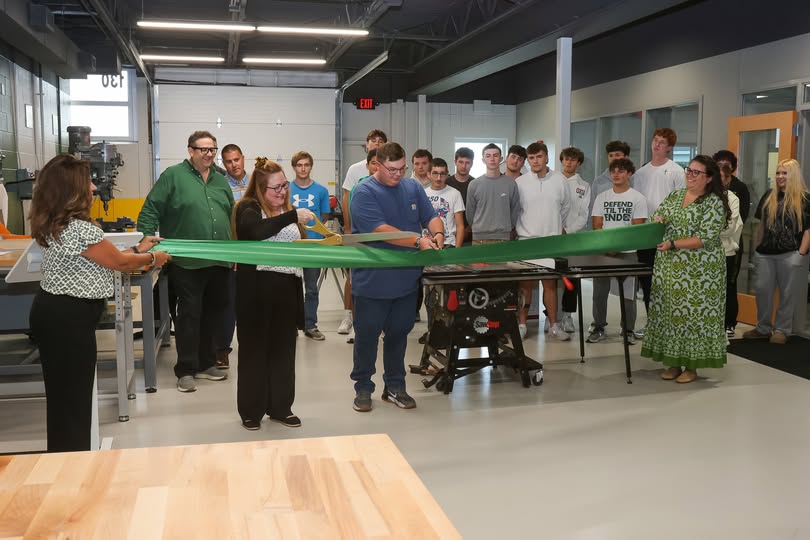
Yesterday, we celebrated an exciting milestone for our District, Clay High School Career & Tech and our students with the reopening of the Engineering Design & Development program. Through a generous $100,000 investment, Cenovus Energy Toledo Refinery, in partnership with the Oregon Schools Foundation, is helping expand opportunities for our students and strengthen the connection between education and our local workforce. Thank you, Cenovus, for investing in education, believing in our students and helping prepare the next generation of innovators, problem-solvers and skilled professionals right here in our community! #TogetherWeAreOne 🚀 Building Tomorrow’s Workforce Starts Right Here in Oregon! Oregon City Schools is proud to celebrate the ribbon-cutting and grand reopening of Clay High School Career & Tech Engineering Design & Development program, made possible in part by a generous $100,000 investment from Cenovus Energy Toledo Refinery with Oregon Schools Foundation! 🎉 This partnership is about more than a renovated classroom. It’s about investing in our students, strengthening our local workforce, and connecting education with real-world career opportunities. With updated labs, modern design technology, and hands-on learning experiences, Clay students will be better prepared to explore careers in engineering, manufacturing, and other high-demand fields. 🤝 When schools and local businesses work together, our entire community benefits. Partnerships like this help develop tomorrow’s talent, create pathways to successful careers, and strengthen the future of our local economy. A heartfelt thank you to Cenovus Energy Toledo Refinery located in Oregon for investing in our students and helping Oregon City Schools prepare the next generation of skilled professionals! As Clay High School celebrates its 100-year centennial, this investment is a wonderful example of how our community continues to honor its traditions while investing in the future. 💚💛 Together, we’re building opportunities for our students and a stronger future for our community! #oregoncityschools #ClayHighSchool #WorkforceDevelopment #CareerTechEducation #communitypartnerships #FutureReady #oregonschoolsfoundation
Oct 14, 2026 · Oregon City School District
Dear Oregon Community, Communication is at the heart of a strong, connected school community. Whether you are a parent,...
Dear Oregon Community, Communication is at the heart of a strong, connected school community. Whether you are a parent, a staff member, a student, or a local resident, you play a vital role in the success of Oregon City Schools. We created OCS Connect to ensure you have a dedicated, reliable window into everything happening across our district each month. What You Can Expect Each Month: Every issue of OCS Connect is designed to keep you informed, engaged and up-to-date. You’ll find: Superintendent’s Corner: A monthly message from me reflecting on district milestones, ongoing initiatives, and our vision moving forward. Treasurer’s Update: Transparent, regular insights from our district treasurer regarding our finances, resources, and stewardship of public funds. District Data Snapshot: Quick, easy-to-read metrics and updates highlighting academic achievement, attendance, growth, and key trends. Important Dates & Reminders: A clear look at upcoming school events, district deadlines, and community gatherings so you never miss a beat. Spotlights & Celebrations: Stories celebrating the achievements, hard work, and creativity of our students and staff. Our goal is simple: to keep our lines of communication open and build an even stronger partnership between our schools and the community we serve. We hope you find this publication informative, uplifting, and valuable. Thank you for your continued support of Oregon City Schools. Together We Are One, Jeff Straka Superintendent
Oct 13, 2026 · Oregon City School District
Goodwill Pass it On Challenge THIS WEEK! Bring your donations of clothing, household items and furniture to the Goodwil...
Goodwill Pass it On Challenge THIS WEEK! Bring your donations of clothing, household items and furniture to the Goodwill donation trailer that is stationed at Clay High School school through Thursday, 2pm-6pm. The trailer is located on the west side of the school, off Seaman Road. Receipts for your tax-deductible donations will be available for you. The school that collects the most weight from donors will be announced as the winner of the challenge! Goodwill will award the winning school with a $500 scholarship and the runner-up will receive a $250 scholarship!